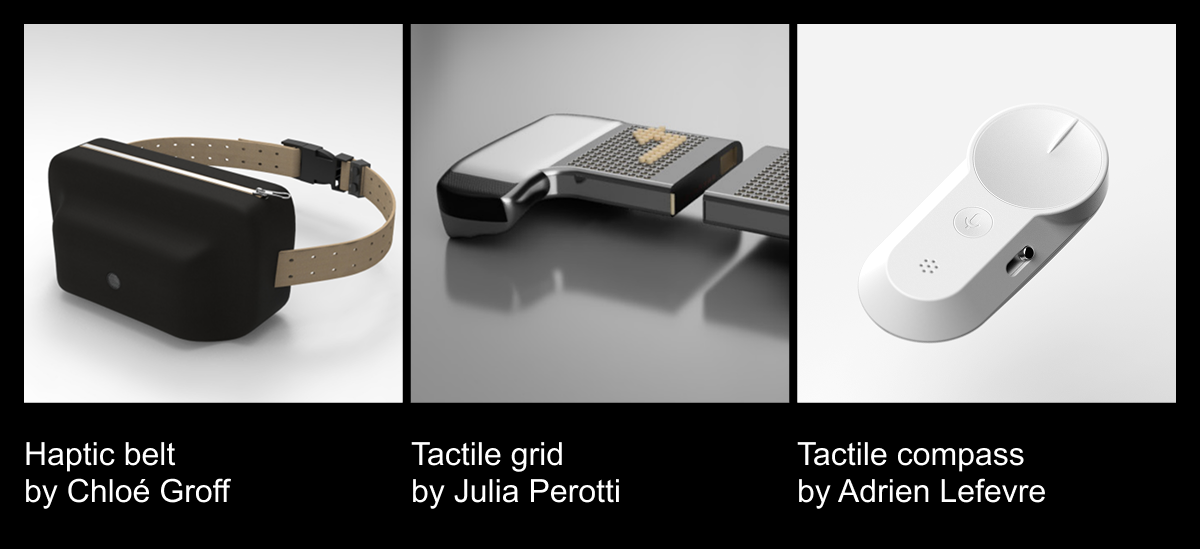
/Brief
Our brief was to select an existing brand and extend it's product line to cater for an underserved user group. In line with Google’s mission to “make the world’ information more accessible to everyone”, we set out to design a new kind of navigation tool to support the visually impaired.
40% of blind and partially sighted people are not able to make all the journeys that they want or need to make (RNIB 2021).
/tl;dr
👨🦯
Co-designed a human-centred device with 5 visually impaired users through videocalls
🧭
Build a functioning prototype, tested with 10+ users through a Wizard-of-Oz experiment
✨
Validated a novel concept with 100% success rate at guiding users from point A to B
/User Research
Throughout this project, we collaborated with 5 visually impaired users (partially blind) whom we met via Facebook and Instagram. We started our user research by conducting interviews on the topics of independence & travel, progressively digging deeper into the users’ daily struggles to uncover actionable insights.
insight #1 — Digital maps are impractical
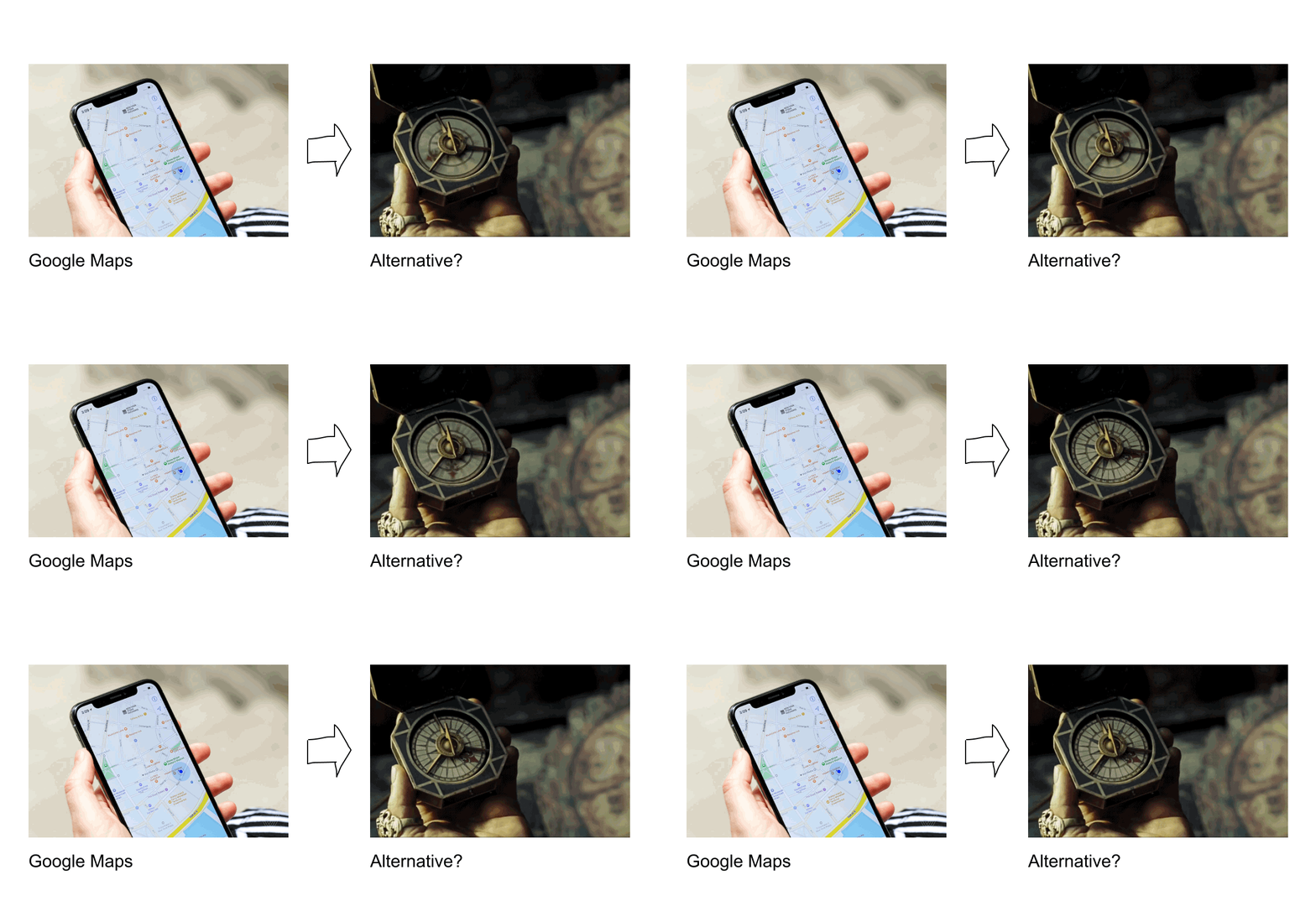
For obvious reasons, people with partial blindness struggle to use their phone for navigation. Reasons include difficulty to decipher, eye strain, risk of getting their phone snatched away (in London, one phone is stolen every 6 minutes).
insight #2 — Audio first navigation offers limited support
Google Maps and Lazarillo are the most popular audio navigation apps used by visually impaired people. Yet our users reported having negative experiences using them including: getting lost due to ambiguous information or feeling unsafe from not being able to hear incoming danger when wearing earbuds.
insight #3 — Exploring new places is intimidating
Most visually impaired users rarely venture beyond the places that they feel familiar with, unless accompanied by a friend or family member. Fear of being alone and having to rely on strangers' help for directions are the main deterrents.
/Define
How might we empower the visually impaired to travel with full autonomy and confidence?
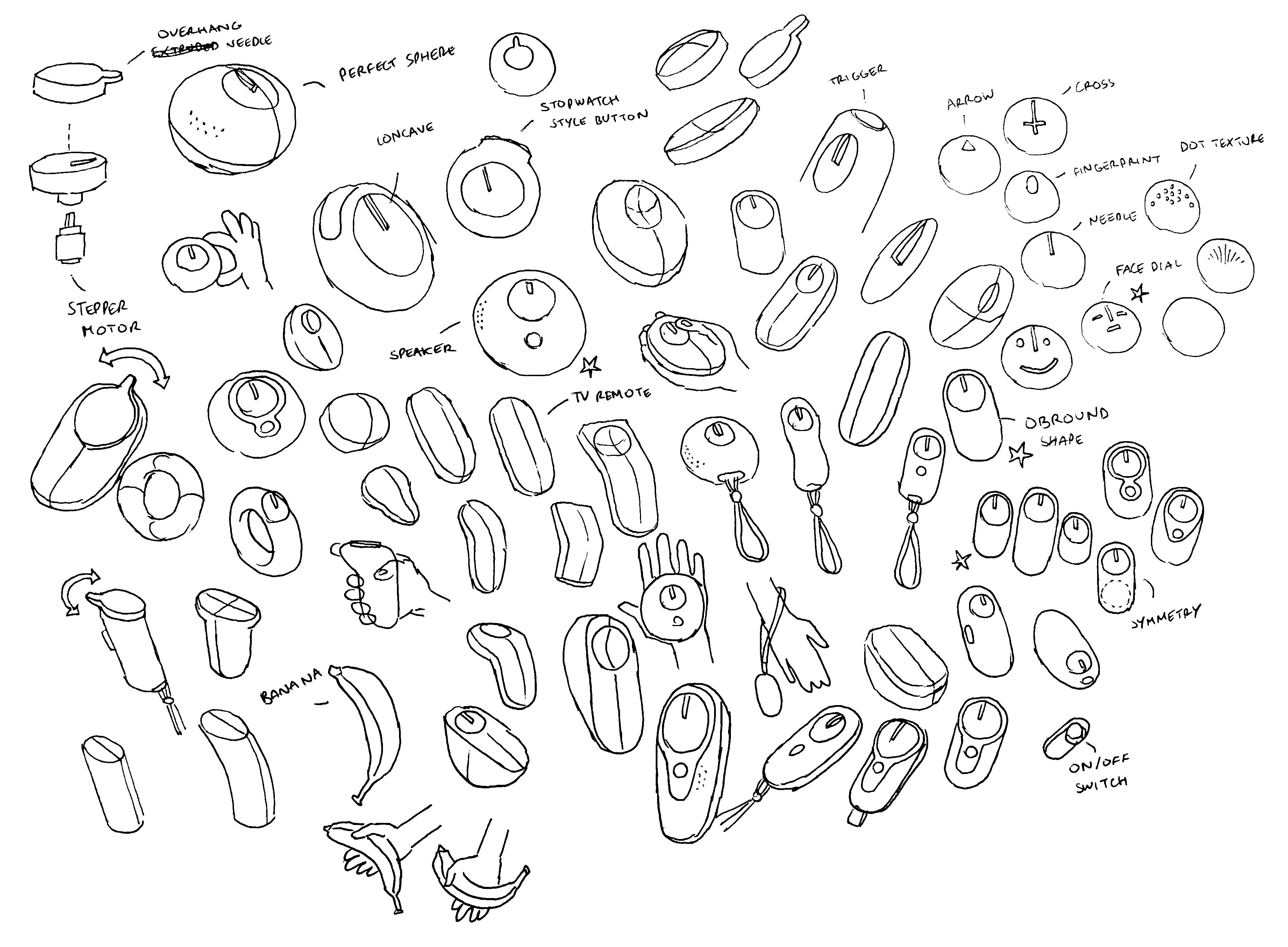
The first part of our ideation phase was conducted individually — each team member was given 2 weeks to explore a unique product direction as a way to drive divergent thinking and push innovation.
/Design Process
Translating digital information into tactile feedback
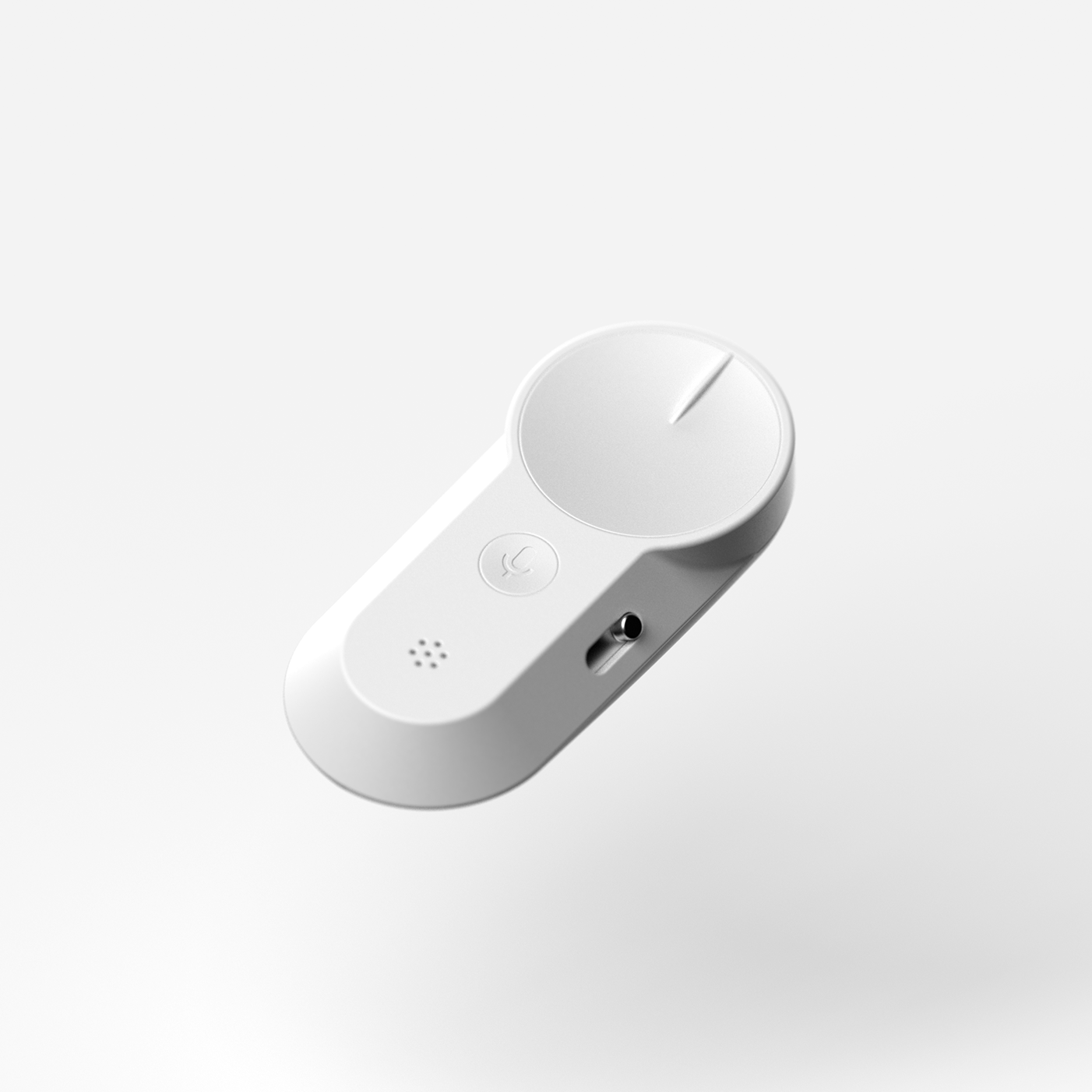
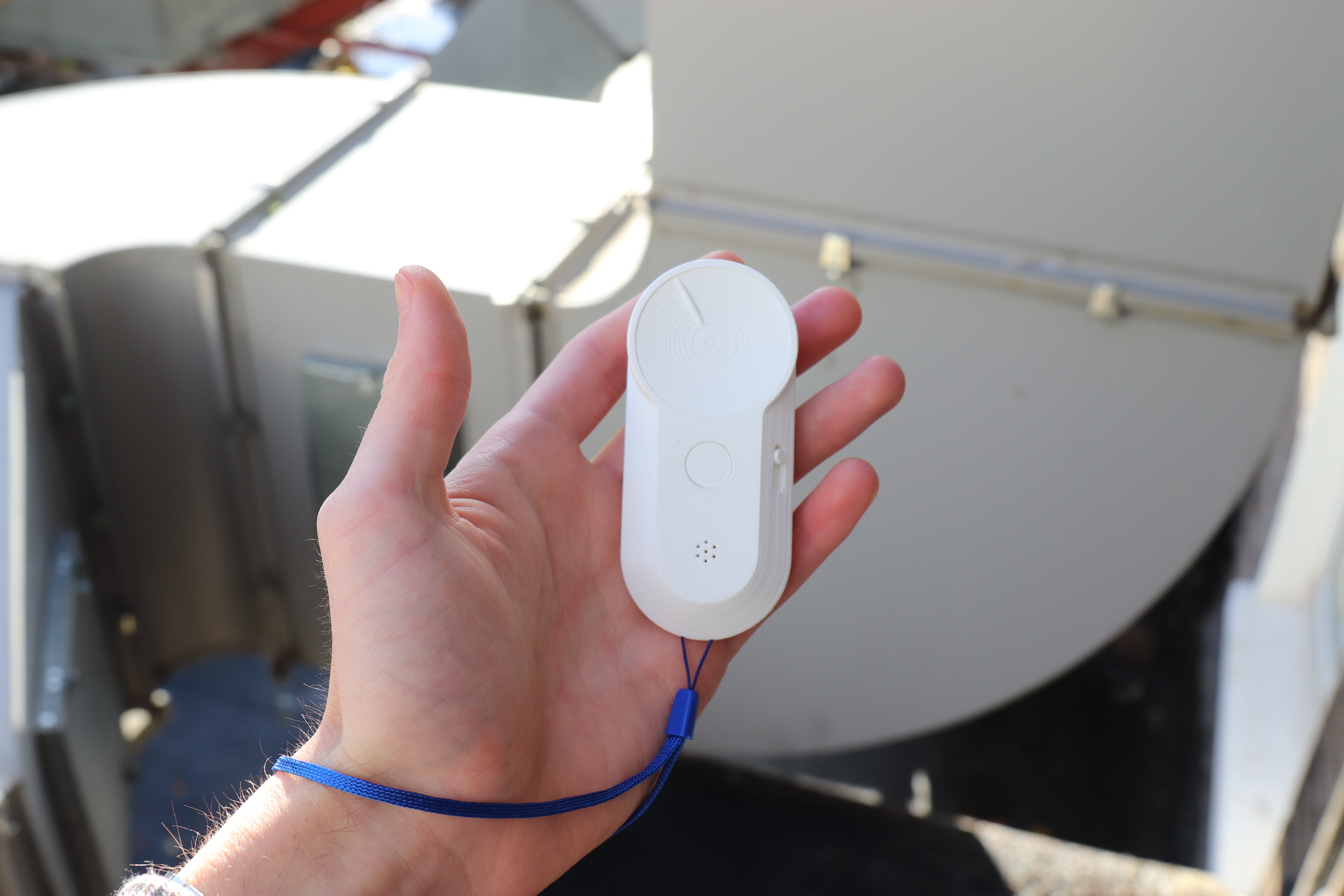
I started my research by looking at analogue navigation tools and came up with the idea of using a rotating dial to provide directions — like a compass, except it doesn’t point north.
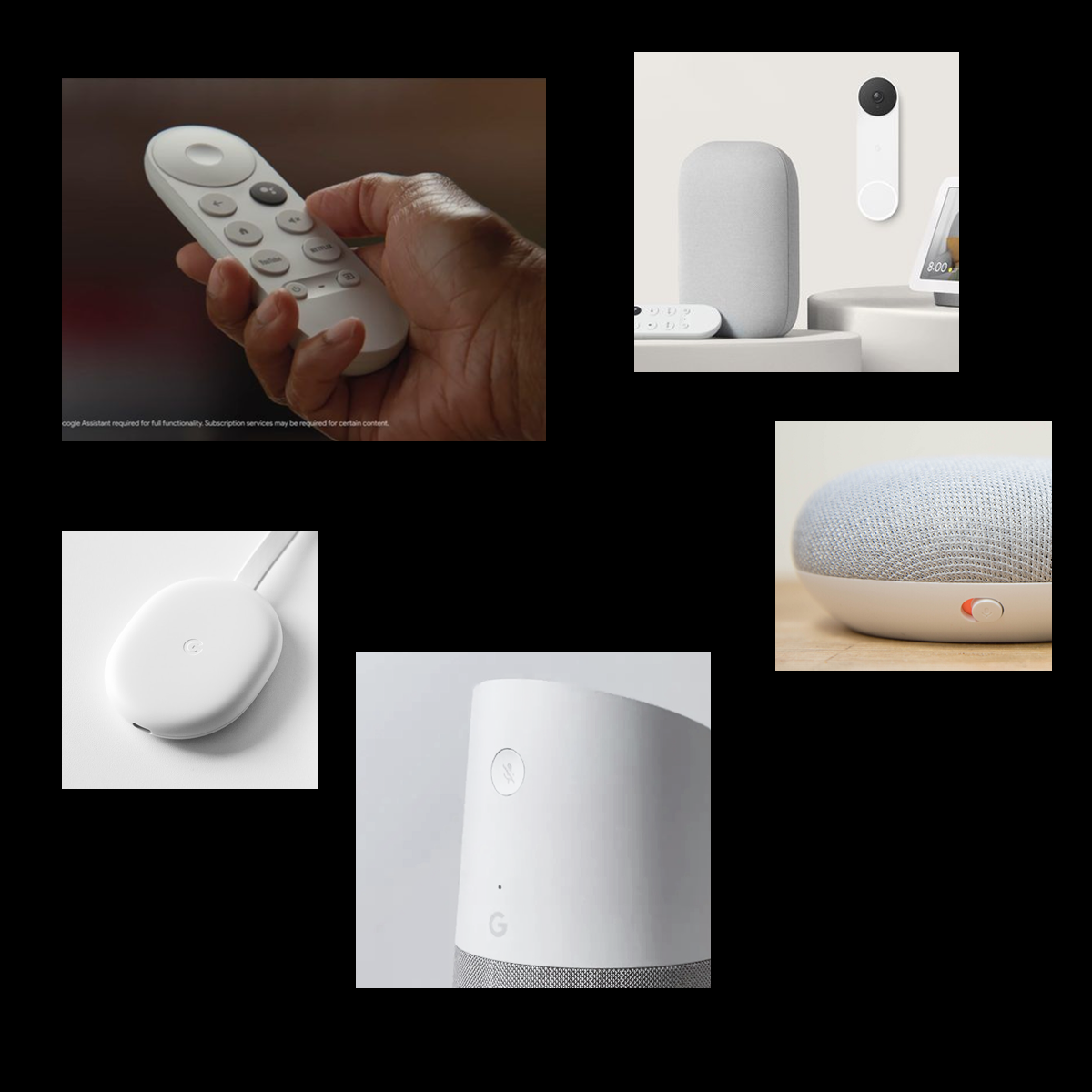
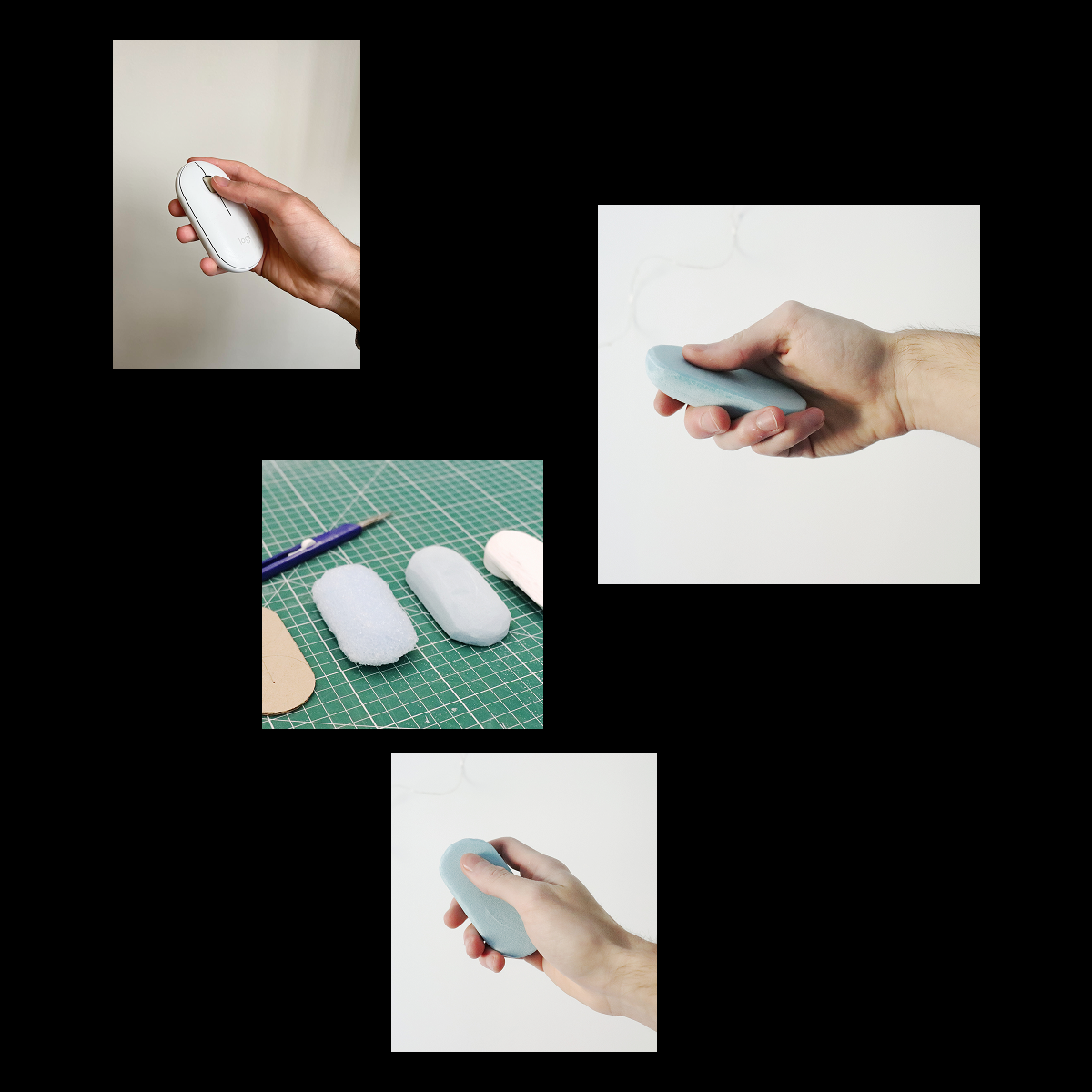
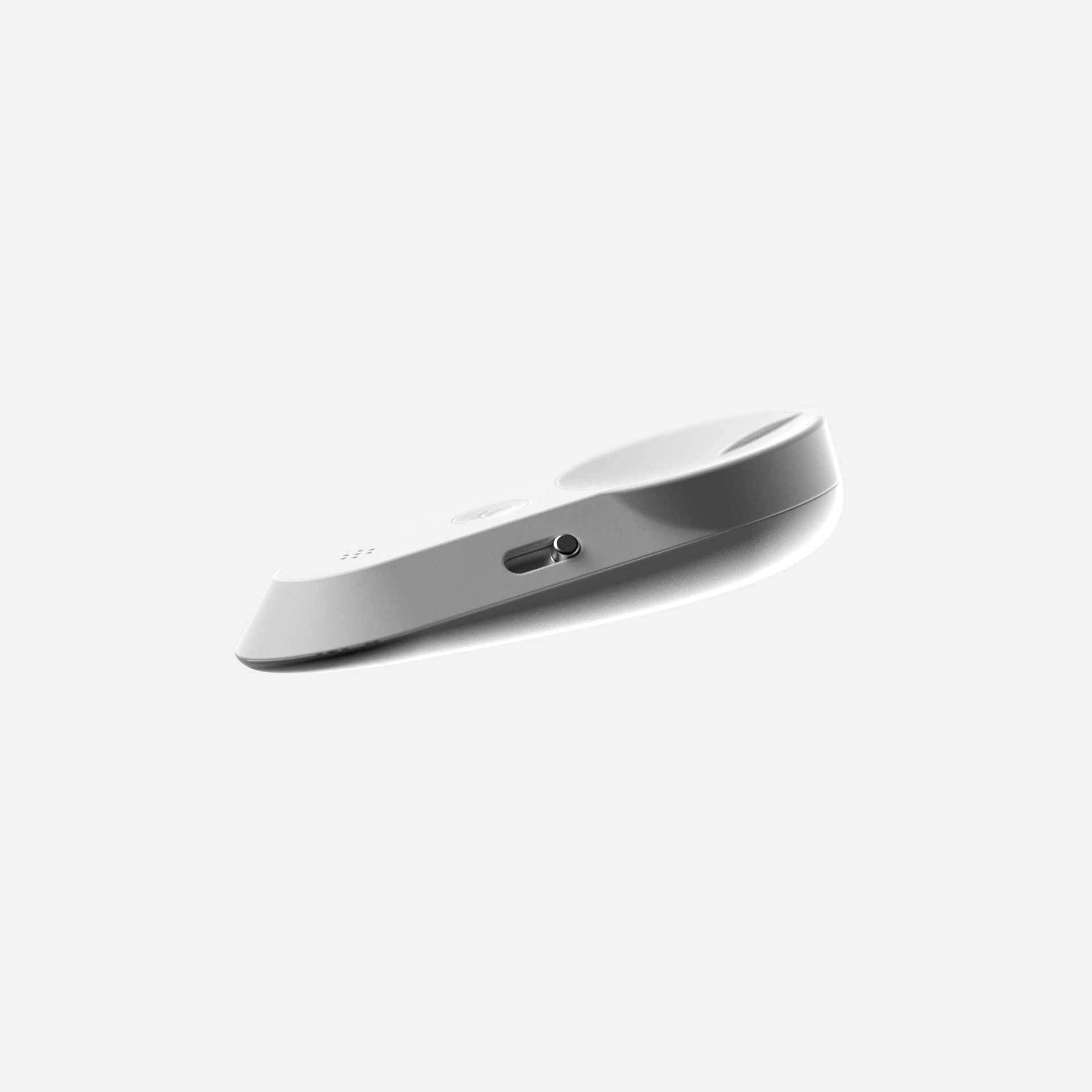
Adopting Google’s product design language — simple geometry, obround shapes, physical switches, embossed icons
Enabling fully autonomous travel through an integrated assistant
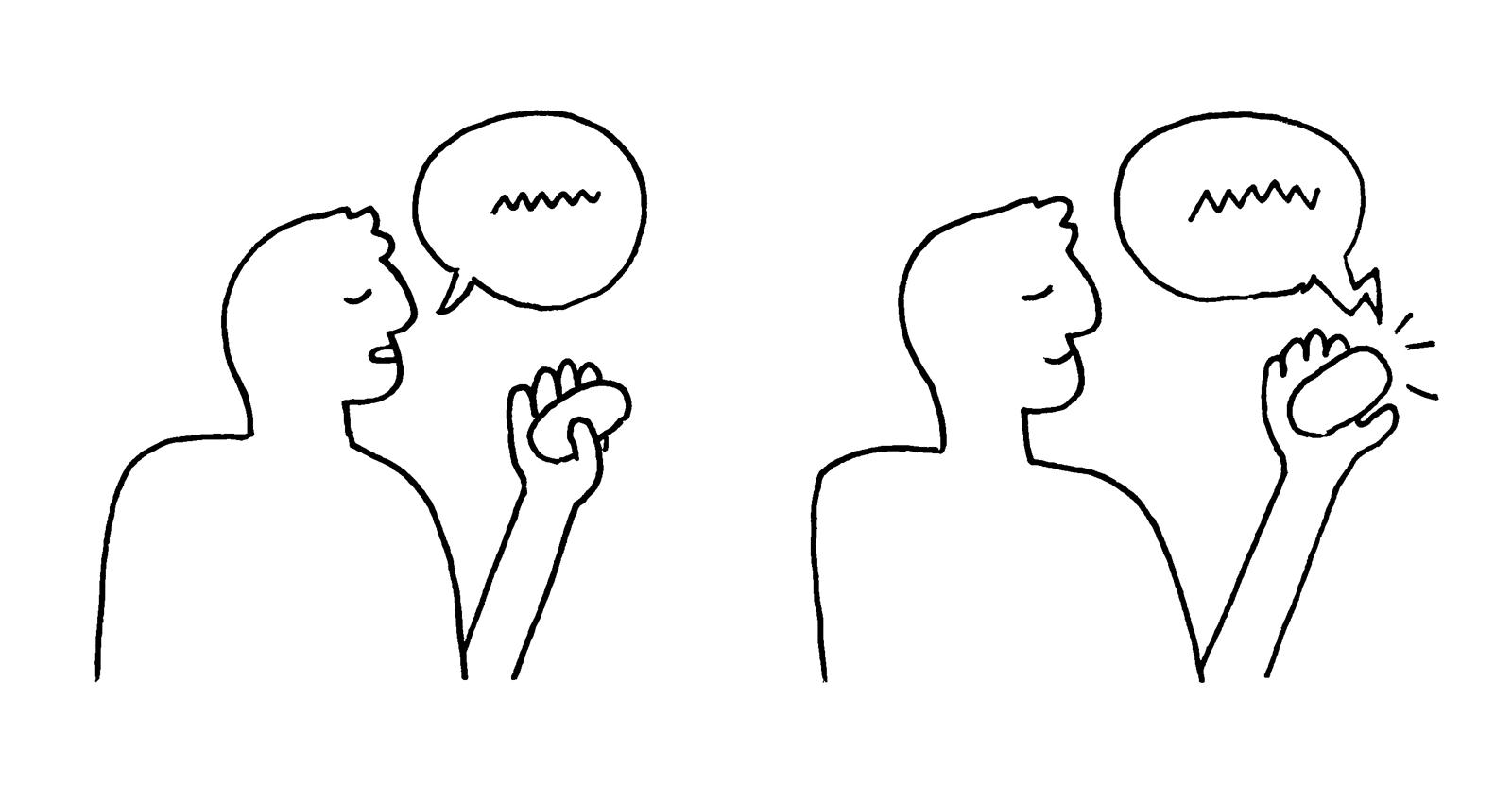
A speech button situated under the dial enables users to easily set new destinations and ask information about the surrounding environment without having to take out their phone.
Hold down speech button to enter a command, release to get a response
After reviewing all 3 concepts as a Team, we ended up choosing to move forward with my concept for the final delivery.
/Prototype
We explored different ways to test my concept — taking into consideration our limited time and budget. Ultimately, we decided to conduct a Wizard-of-Oz experiment. During out live demo, test users were blindfolded and had to navigate an indoors obstacle course, guided by our Tactile Compass, which was operated remotely by a member of our team.
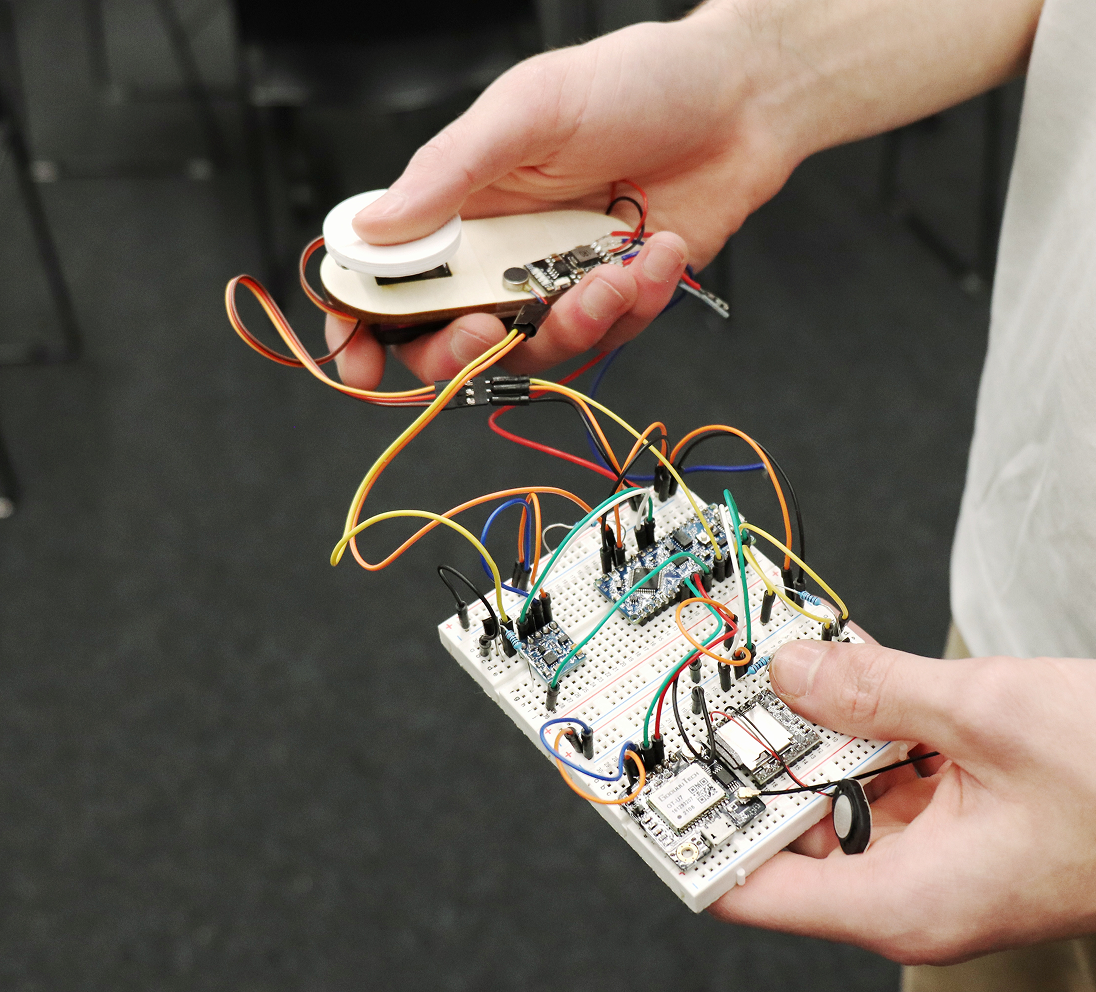
prototype #1 — Attempt at integrating live GPS and Google Maps API ended up being too unreliable for a test
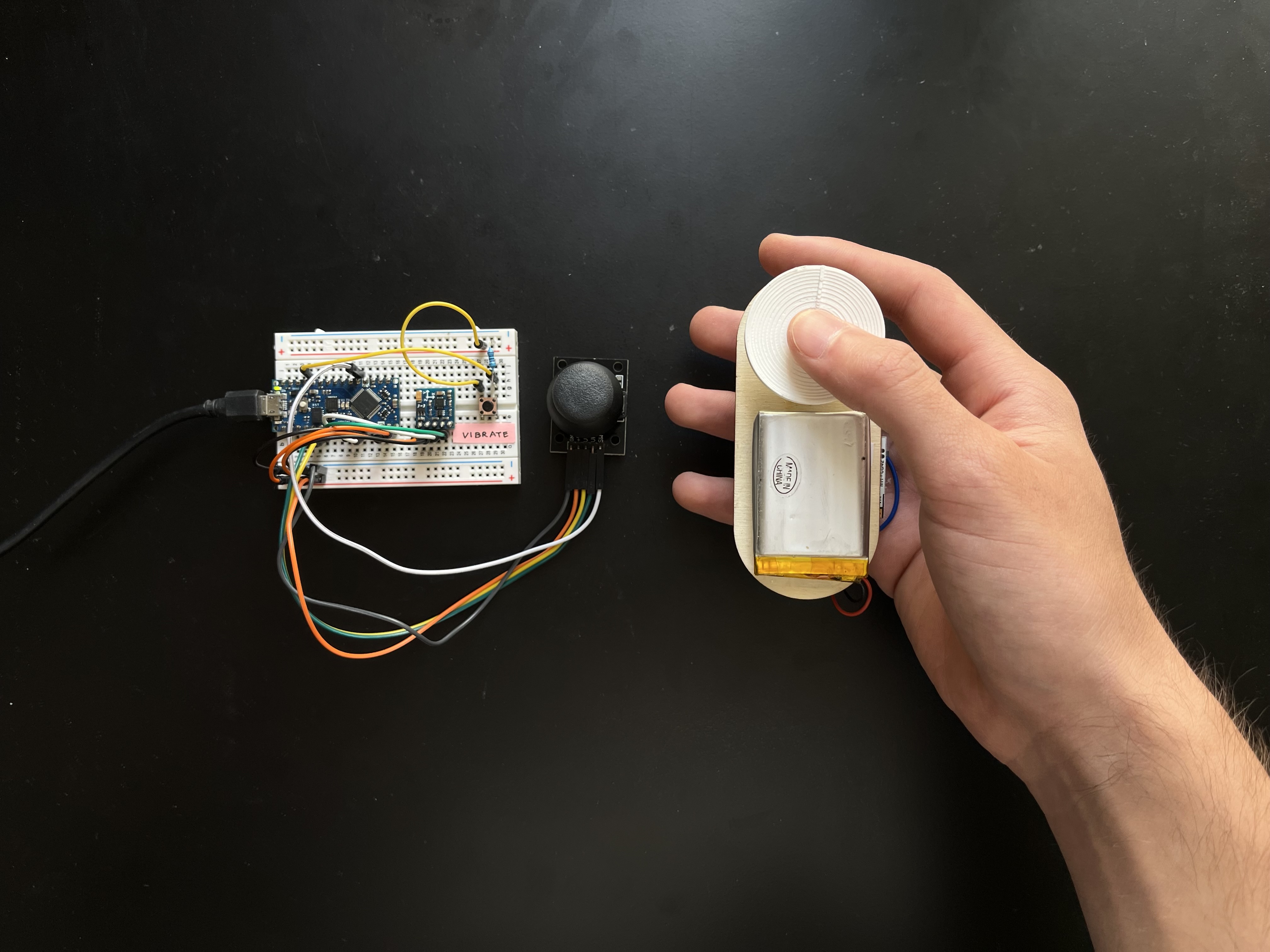
Final prototype — Compass & joystick controller communicating wirelessly through ESP-NOW
/Outcome
With Compass, blindfolded users were able to follow directions from point A to B without hitting obstacles with a 100% success rate (excluding technical failure). During the experiment, we observed that users who tried the prototype multiple times in a row became more confident with every attempt — walking faster & with less hesitations — demonstrating an fast learning curve.
/Learnings
1️⃣ Prototype early to test ideas before going into polish
2️⃣The easiest way to test something is probably the best
3️⃣Good visuals and narrative sell the idea