/Problem
65% of students fail to meet vegetable intake recommendations
Early adulthood is a formative stage for building lifelong habits — especially when it comes to diet. Yet, despite widespread awareness campaigns such as the WHO’s “Five a Day” initiative, most college students still fall short of recommended vegetable intake.
This shortfall has serious long-term consequences: poor dietary habits in early adulthood are closely linked to obesity and food-related noncommunicable diseases such as cardiovascular disease, cancer, and diabetes. Globally, an estimated 41 million premature deaths each year could be prevented through healthier eating habits — including increased vegetable consumption.
/tl;dr
💖
Incentivised students to develop better dietary habits through a playful intervention
🙆♂️
Iterated solution & implemented feedback through 3 rounds of user testing
🥬
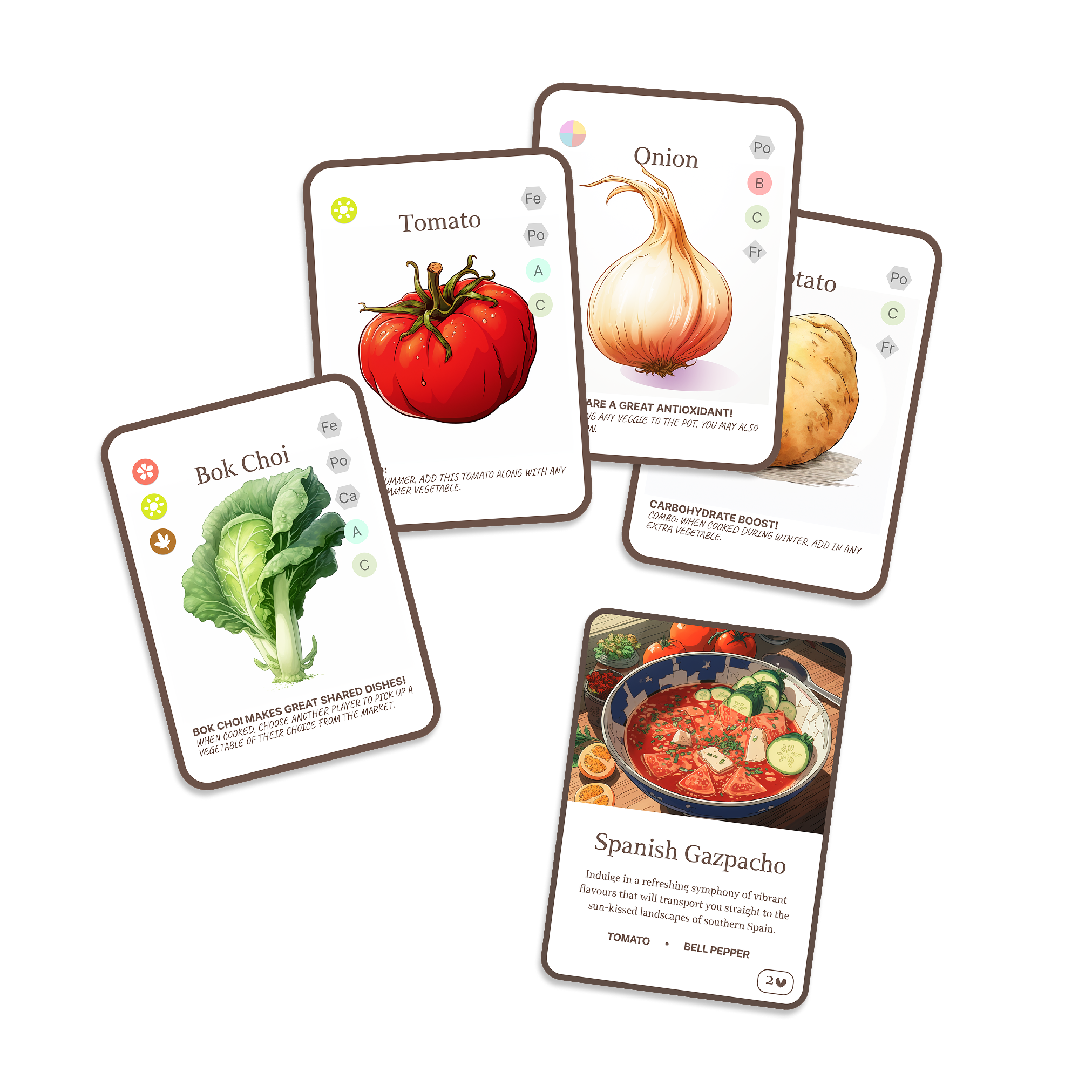
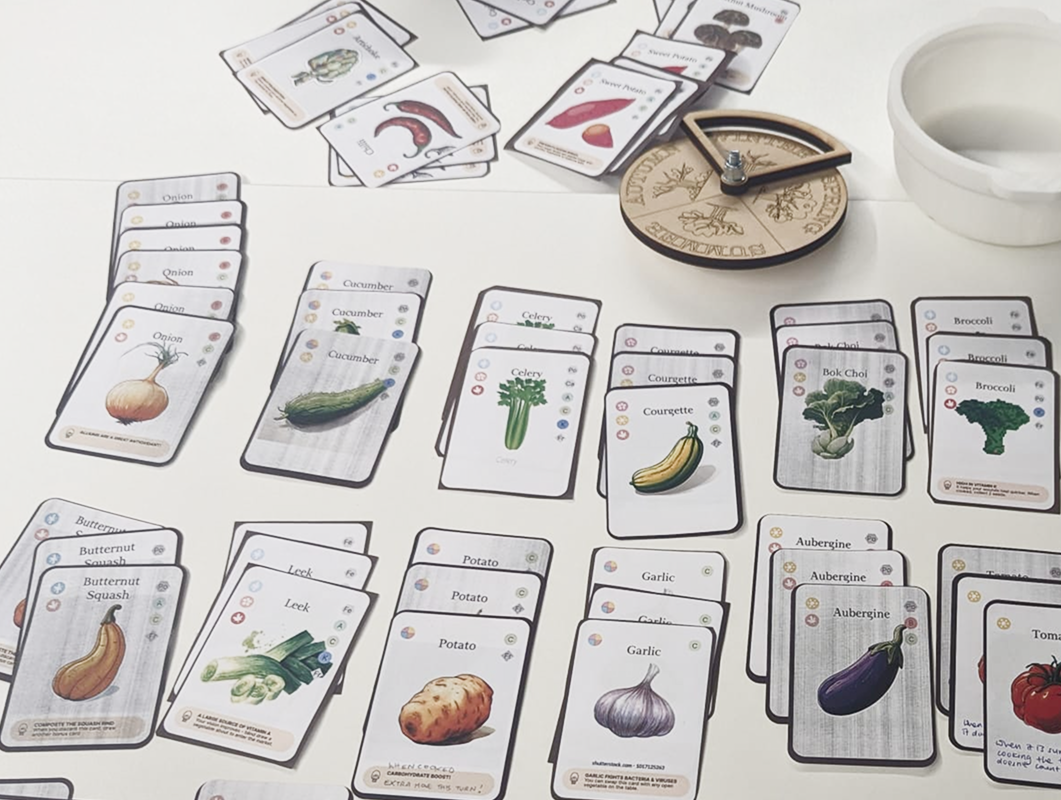
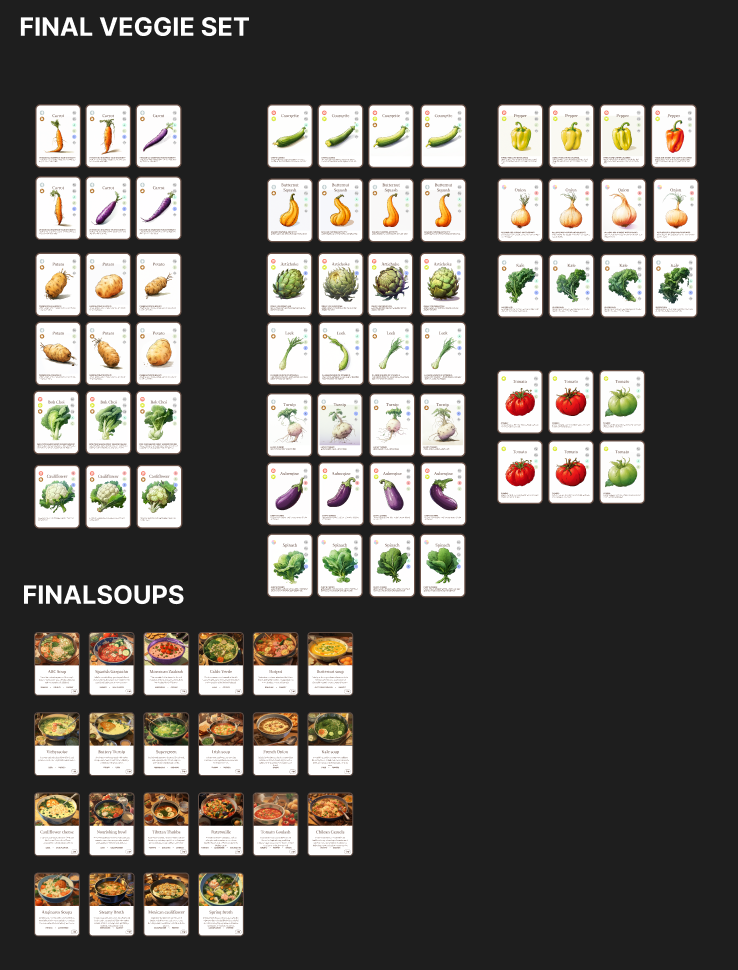
Created a fully playable game including 64 vegetable cards with real nutritional info
/Discovery
It's not about awarness; it's about behaviour change
We interviewed students aged 19-23 to better understand the cause of the problem. Here we summarized our main insights:
insight #1 — Students feel no incentive because can't relate to long term benefits
insight #2 — Decision overload; students don't know what to eat and when
insight #3 — Vegetables are perceived as unappealing and too cumbursome to prepare
/Define
How might we break the perception that cooking vegetables is not appealing?
Based on our user insights, our intervention should...
- focus on short term benefits of eating more vegetables
- make the cooking experience more approachable
- help build mental models (recipes, seasonality) to reduce decision fatigue
- last 20 - 40 min because students are busy
/Design & Iteration
Romanticising vegetables through interaction, competition, and fun
Taking inspiration from popular board games, we developed Humblesoup — a cozy, culinary game for 2–4 players in which everyone competes to craft the most delicious soups and stews.
Our goal was to embed play mechanics that encourage real-world healthy habits, making decisions about what to eat and when feel more natural and intuitive. By wrapping the behavioral intervention in a warm, social, and immersive experience, we aimed to make healthy eating feel enjoyable rather than prescriptive.
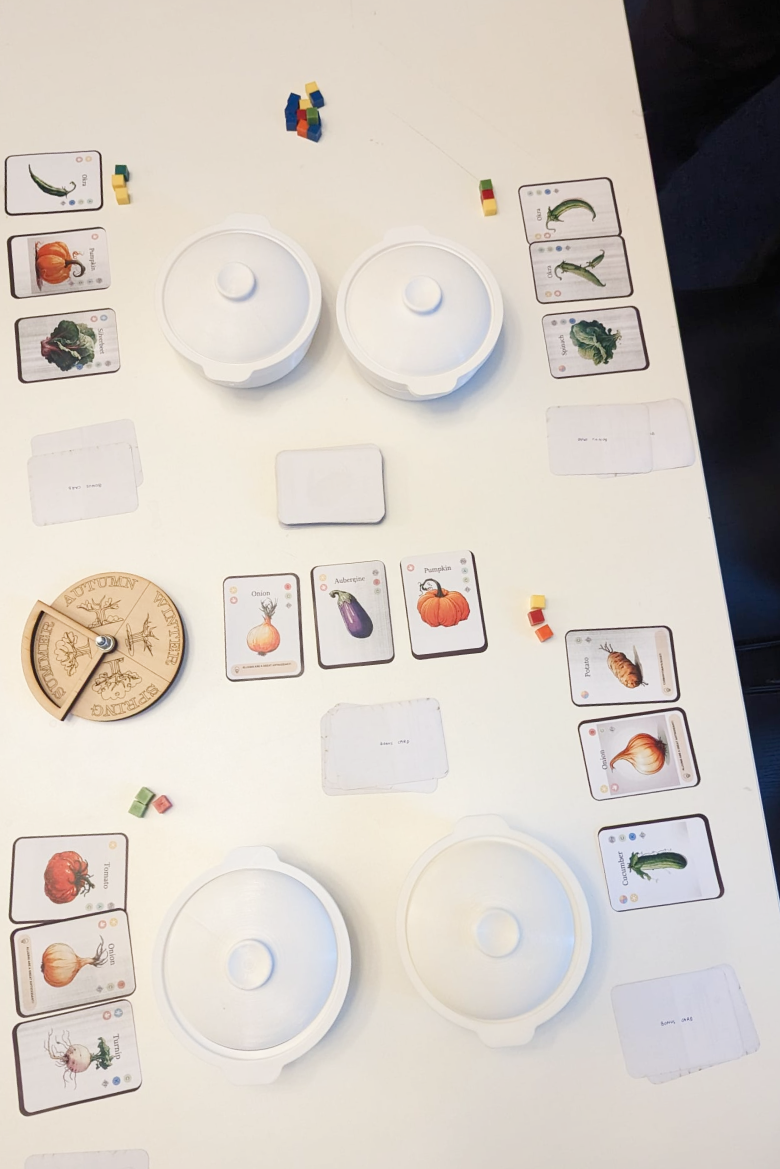
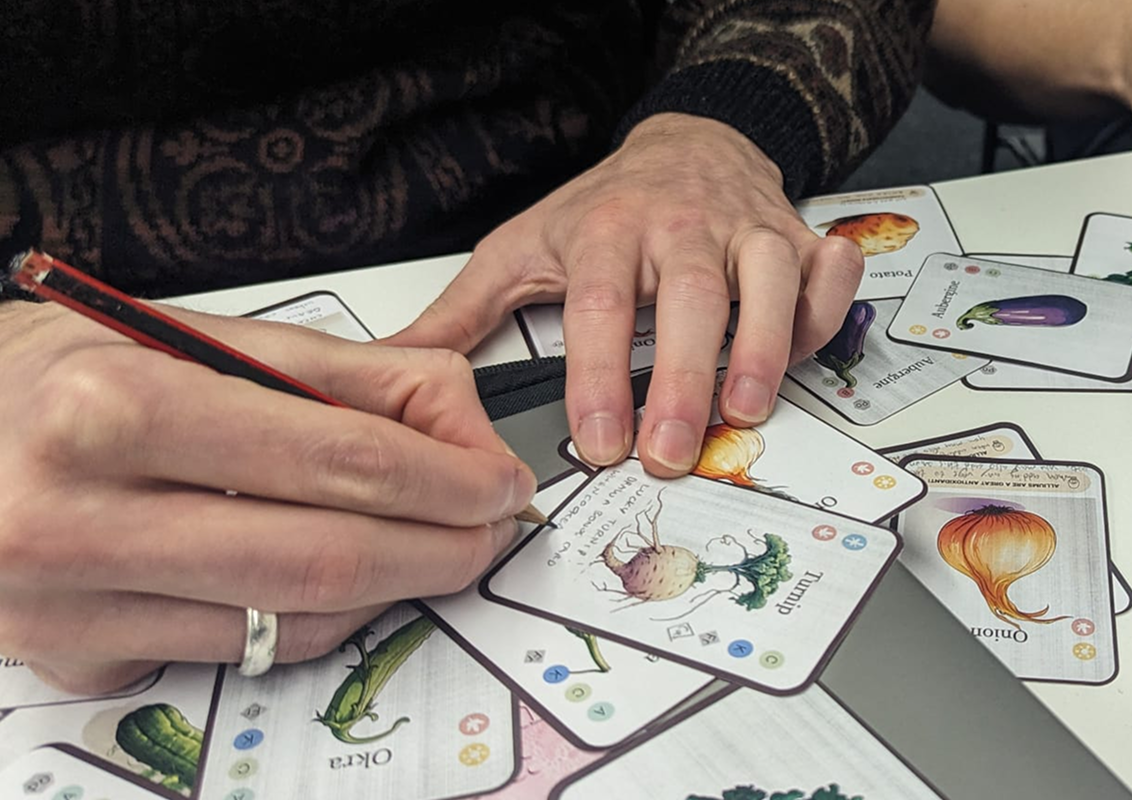
Once the concept was defined, we quickly moved into rapid prototyping, creating the core game elements so we could playtest, observe player behavior, and iterate on the design.
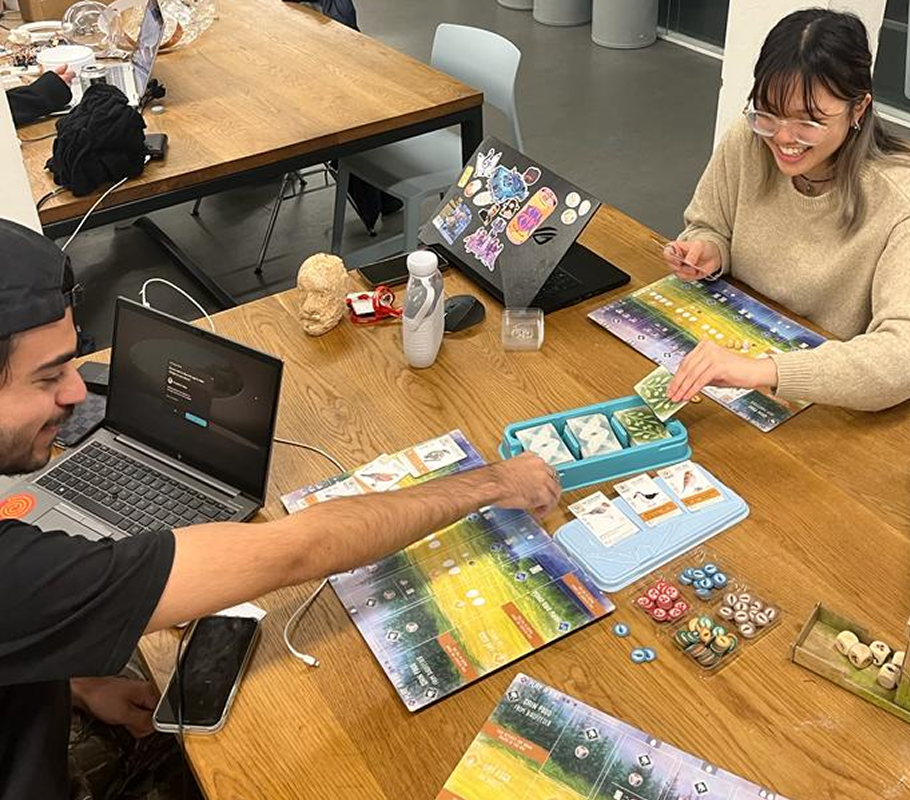
Wingspan, a game about collecting birds was one of our main inspirations
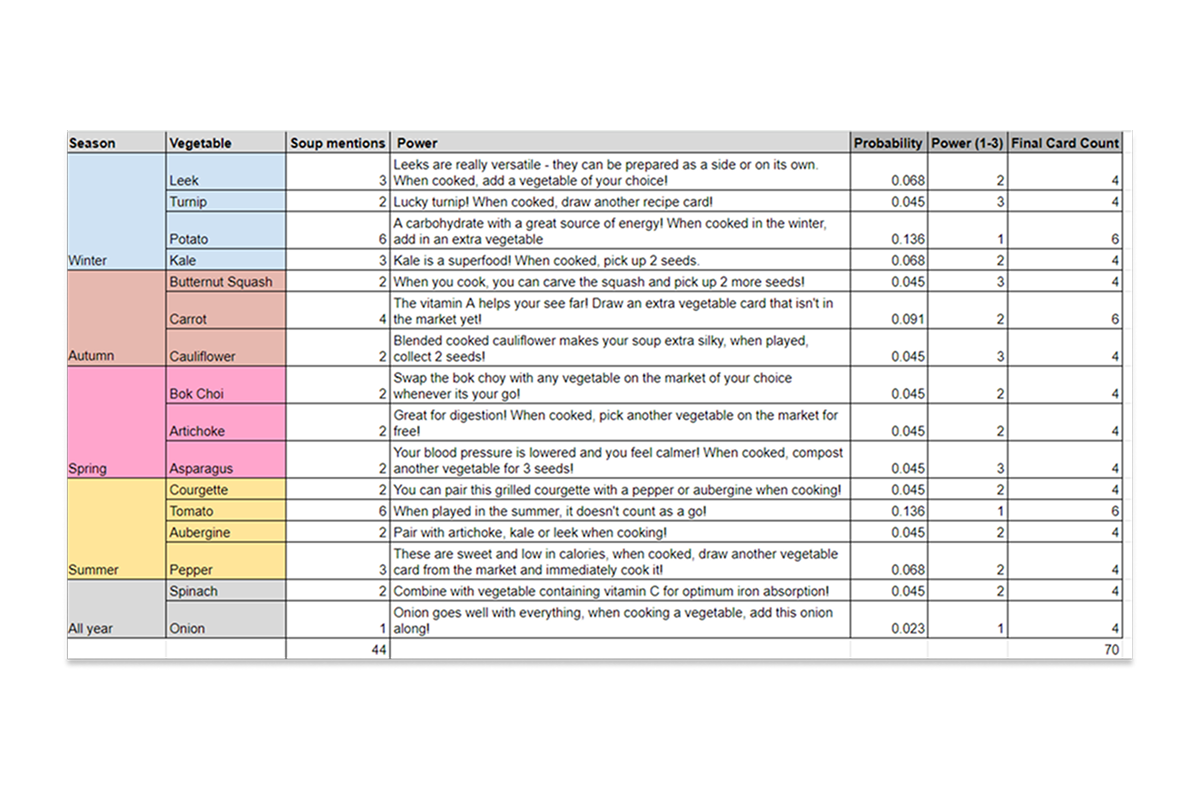
Calculating probabilities and balancing card values & numbers
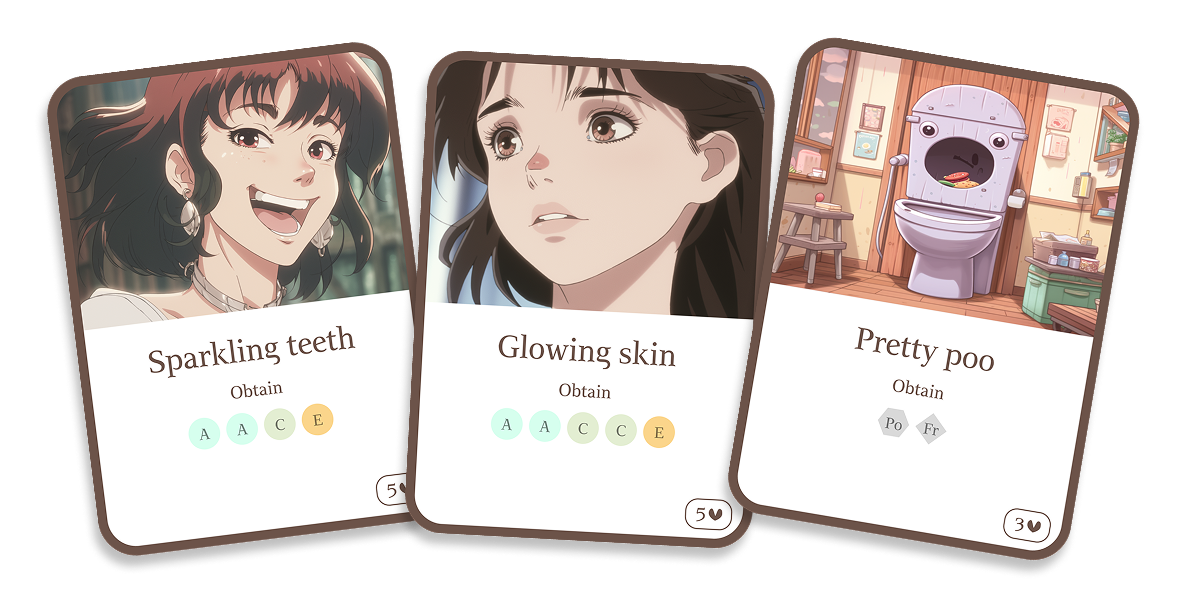
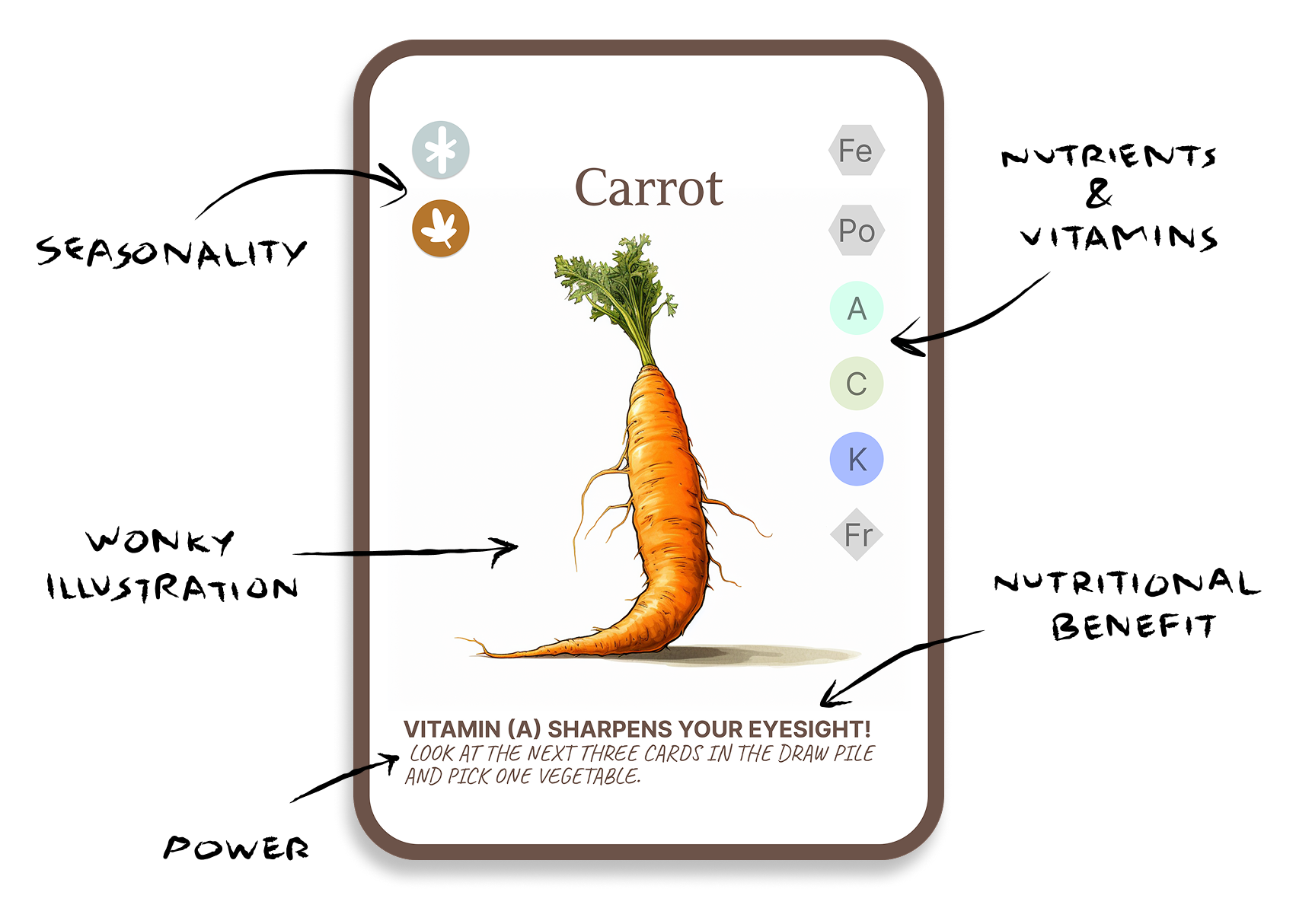
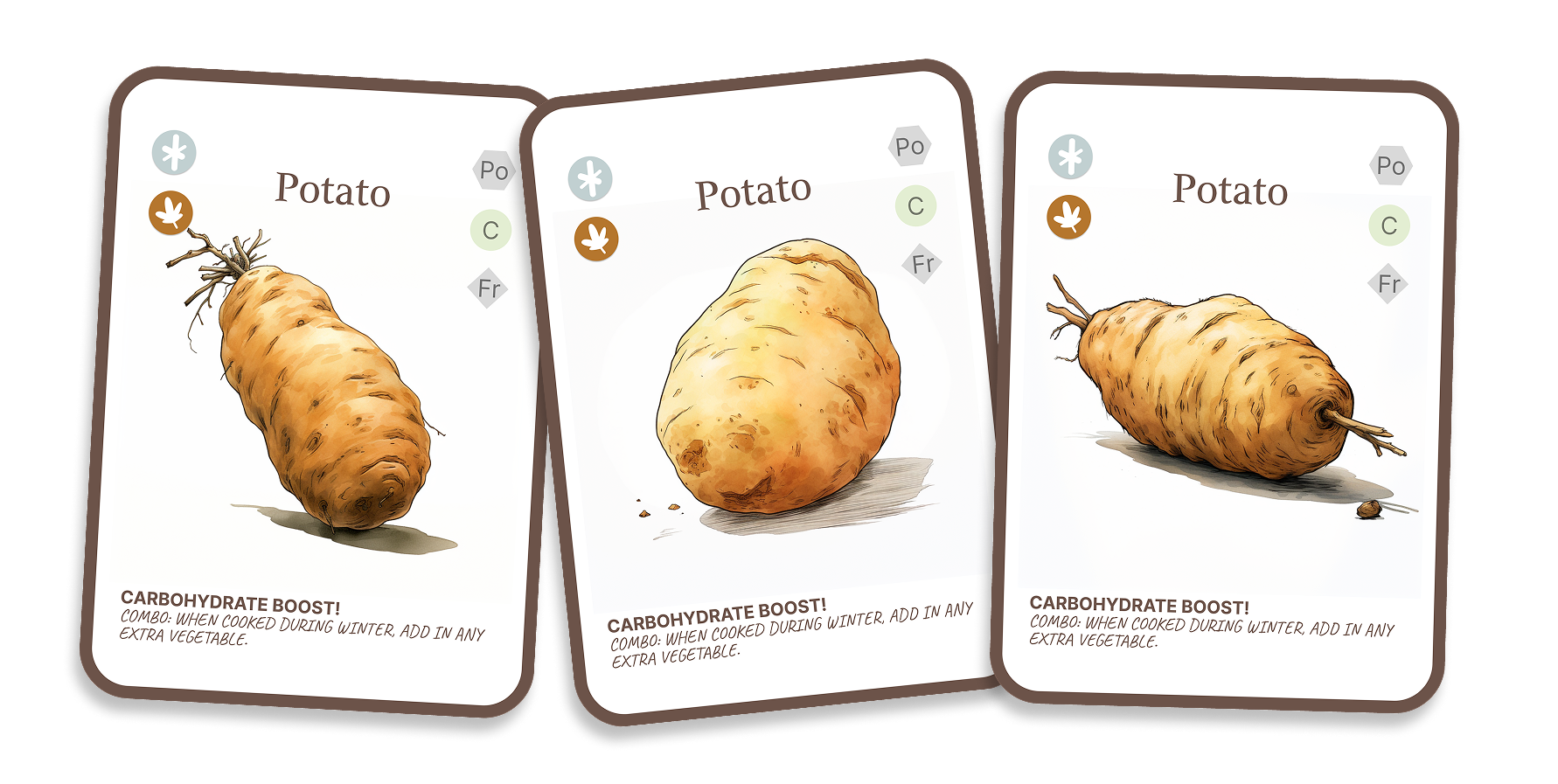
We initially included nutrition goals as cards but ended up removing them based on feedback because users felt that it made the game too prescriptive. Instead we added fun nutritional facts at the bottom of each vegetable card.
Taking advantage of using Midjourney AI, we made each illustration unique and slightly wonky to celebrate the imperfect beauty of natural grown vegetables
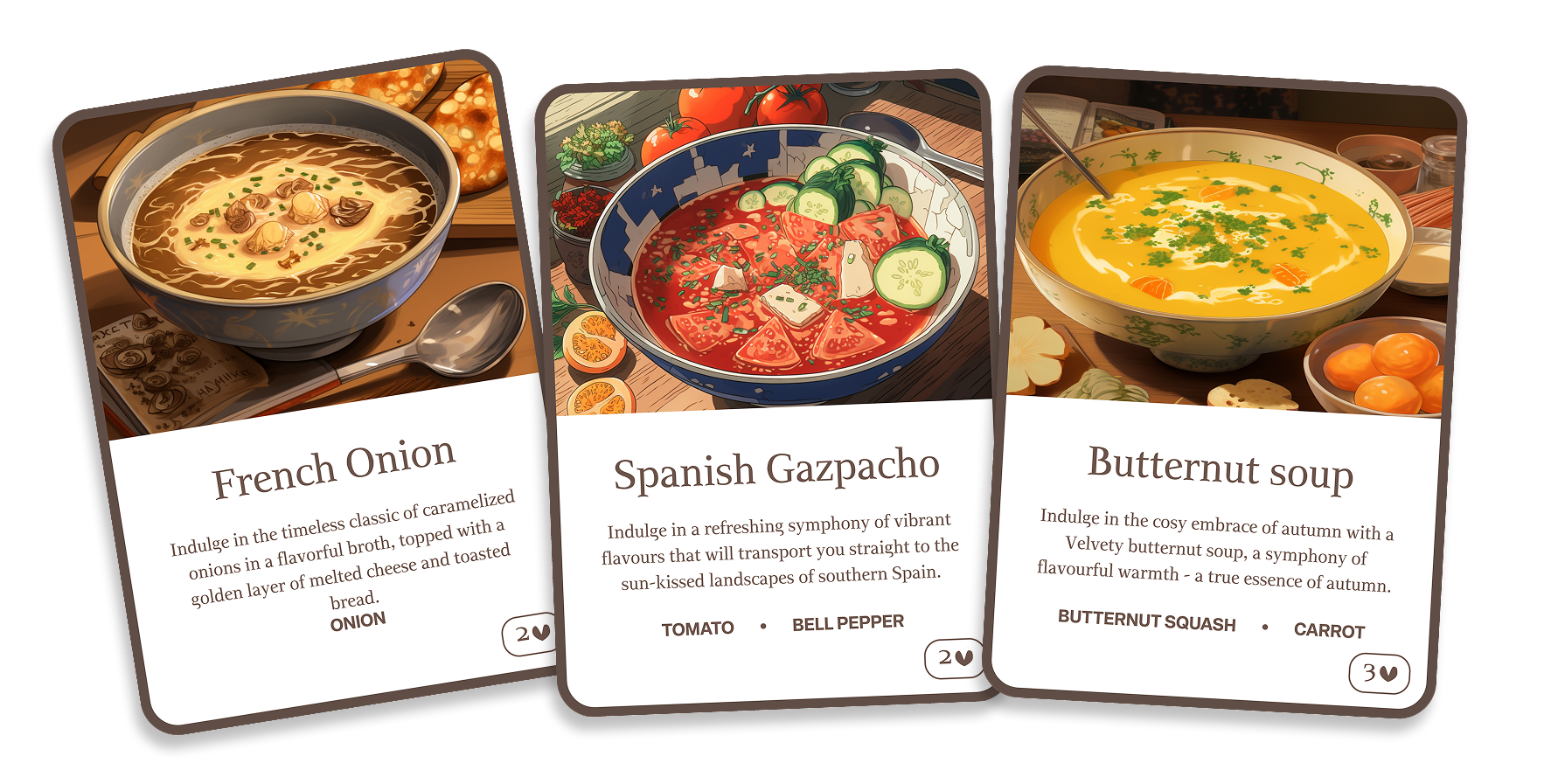
Recipes from around the world
We removed some of the more exotic vegetables as users preferred to focus on what they are already familiar with and have access to
/Game setup
Each turn, players can:
1️⃣ Pick a vegetable or a recipe
2️⃣ Cook a vegetable or trade with another player
Players earn points by combining vegetables into hearty soups. At the end of the game, bonus points are awarded for using in-season ingredients — encouraging players to memorize when to eat what vegetables. However, any uncooked vegetables left on the table deduct points — just like in real life, we don’t want to encourage food waste!
/Outcome
We playtested our final intervention during an open game jam, hosted by our professor Sebastian Deterding, and received many positive returns from students who found the game appealing and instructive.
“A positive intervention with great re-playability and potential to nudge students towards developing better dietary habits.” - Prof. Sebastian Deterding
/Learnings
1️⃣ Play has a key role in improving experiences across all platforms
2️⃣ Learned to work with AI, enabling us to prototype and test faster without compromising on quality of execution
3️⃣ Getting someone emotionally invested in an experience through visuals and narrative can greatly increase impact